Feb/Mar 2026
LINDA EMERY
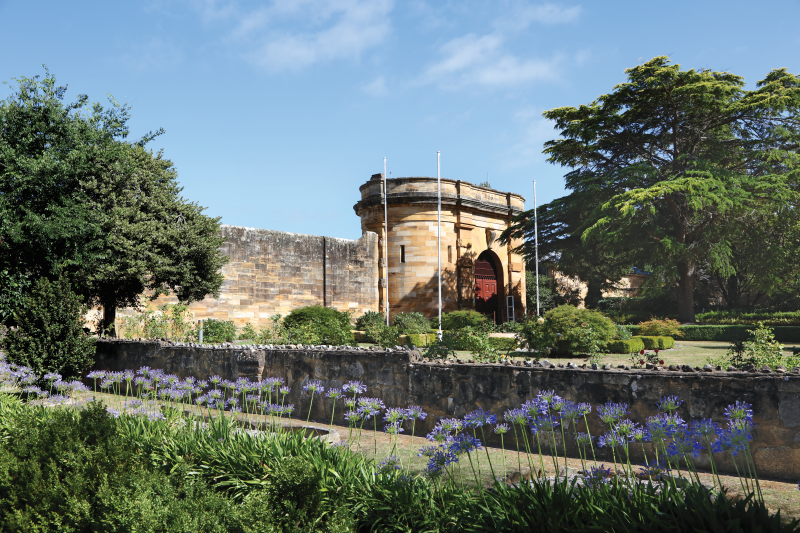
When it closed in 2020, Berrima Gaol was the oldest operational correctional facility in Australia. For more than 180 years, the formidable gaol had loomed large over the township and was once the most feared place of incarceration in the state.
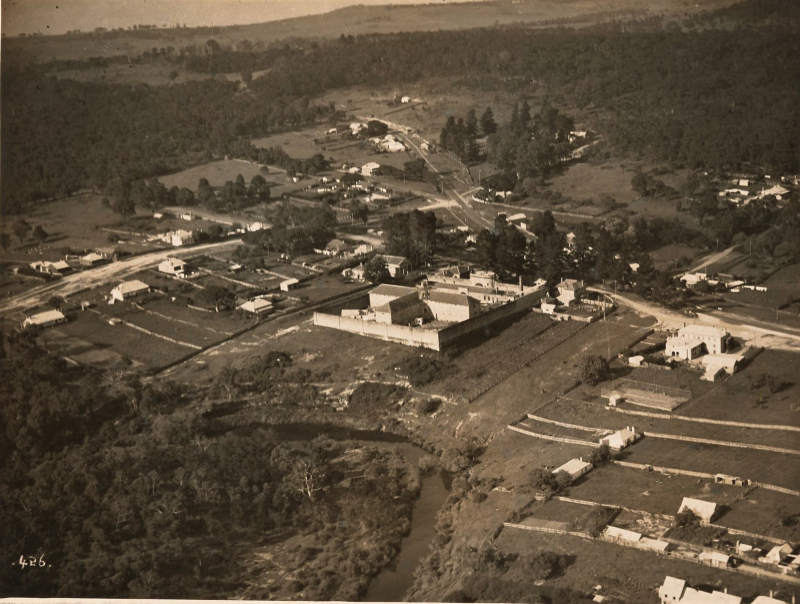
Completed in 1839, the original plan for the prison incorporated new theories of British prison reform, such as having separate cells and using isolation to reform prisoners. For almost a decade it was used mainly as a prison for felons appearing before the Assizes and Quarter Sessions (periodical circuit courts) at Berrima Court House and during the 1840s it was the site of execution for some of the most notorious murderers of the day.
Bushranger Paddy Curran was sentenced to death in 1841 by the Chief Justice of NSW Sir James Dowling and was the first to face the hangman’s noose at Berrima. Irishman John Lynch was convicted in 1842 for killing at least 10 people and is said to have done a jig on the scaffold before the trap was dropped. Lucretia Dunkley, the only woman to hang at the gaol, and her lover Martin Beech met their end at the hand of the hangman in 1843 for the gruesome murder of Lucretia’s husband. Henry Atkins, who continued to profess his innocence until the last, was the last man to hang at Berrima in 1844.
The higher courts were moved to Goulburn in 1847 and Berrima Gaol was closed the following year. It languished during the 1850s until an increase in the prison population led to it reopening in 1860 and, after extensive rebuilding and extension of the surrounding wall was completed in 1866, Berrima Gaol became a model prison where the ‘separate system’ was introduced. Prisoners spent the first nine months of their sentence in silence in a solitary cell with just one hour a day of exercise allowed.
William Small was placed in charge of implementing this new way of dealing with some of the most intractable prisoners in the system. His wife Sarah was appointed as matron and the couple lived in a residence inside the confines of the gaol where they brought up their nine children.
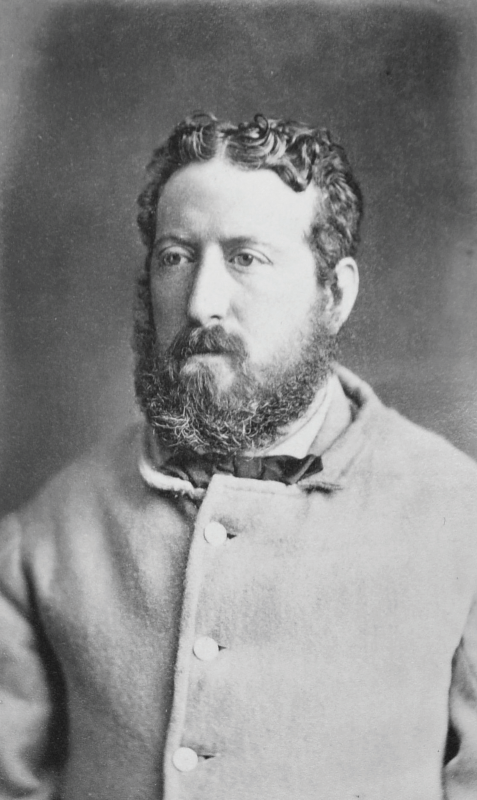
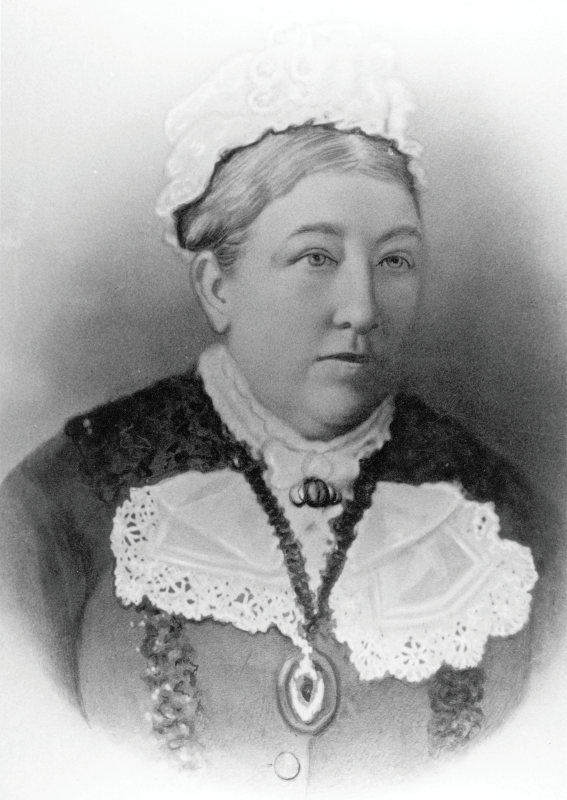
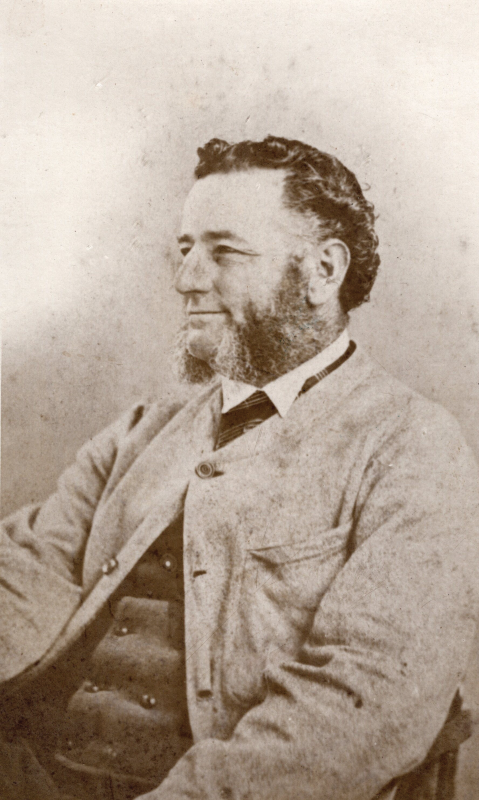
During his 23 years as governor of the gaol, William Small was regularly accused of cruelty which led to a Royal Commission in 1878. Small was largely exonerated and had no doubts about his unorthodox methods. When a prisoner threatened to kill him with an axe, he recalled that “he would have cut me down for a certainty if I’d waited to measure off red tape”.
Among the more colourful characters to have come under Small’s watch was Henry Louis Bertrand, known as The Amorous Dentist. Bertrand claimed to be Surgeon Dentist to the Imperial Court of France, trading his address in the Rue St Honoré in Paris for Wynyard Square in 1860. He attracted fashionable Sydneysiders to his rooms, including the woman with whom he began a passionate affair, Maria Kinder. The pair conspired to murder her husband in 1865, but it was Bertrand who was convicted.
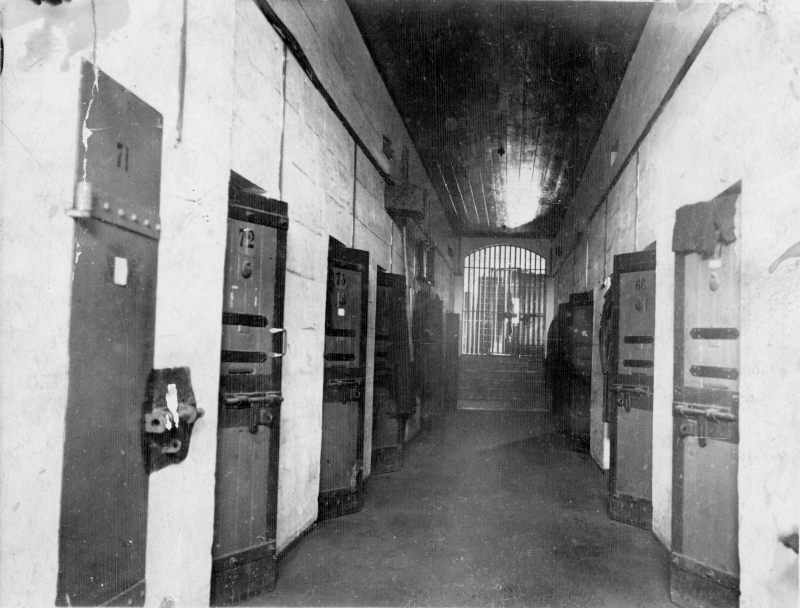
His death sentence was commuted to life in prison and when he was eventually released in 1894, he was the longest serving prisoner in NSW. He was deported to his native England where he changed his name and continued to practise dentistry.
Berrima Gaol finally closed in 1909, but at the outbreak of World War I the dilapidated edifice was considered an ideal place to house some of the many German and Austrian civilians and mariners who were interned in Australia. The gaol was renovated, renamed the German Concentration Camp Berrima and in 1915, began receiving prisoners.
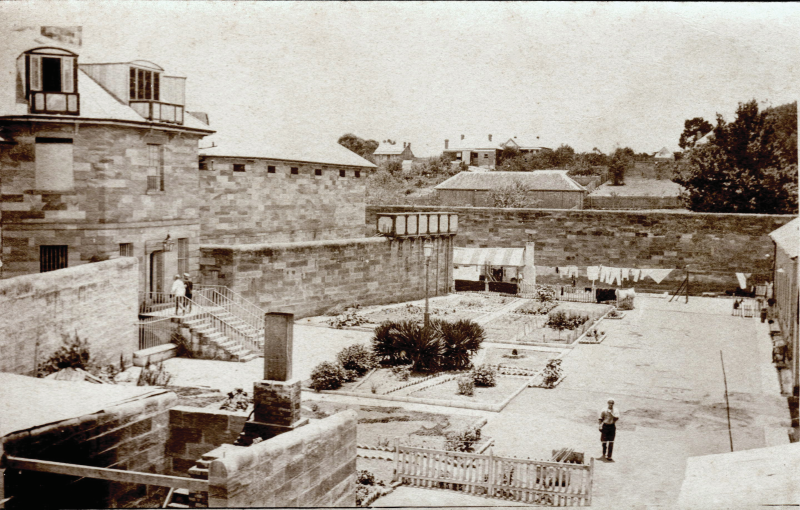
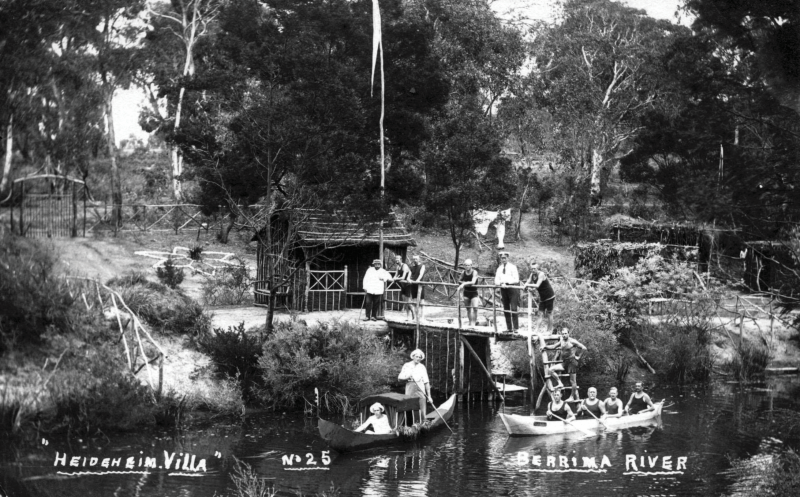
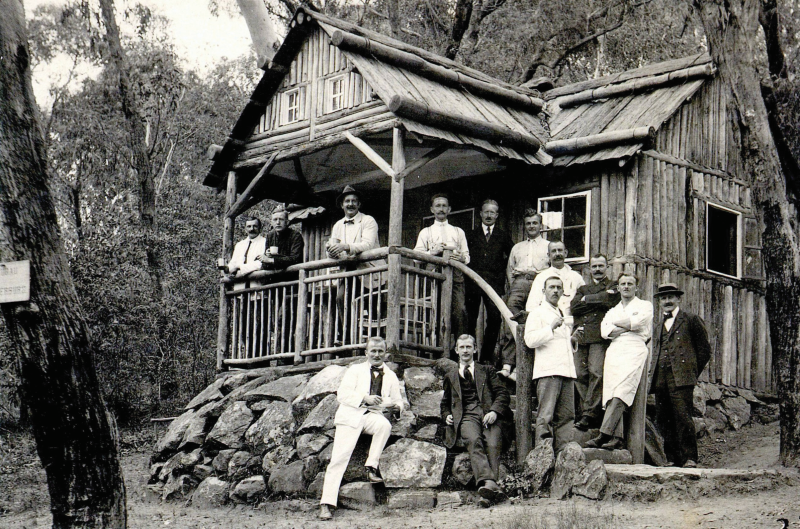
Over the next four years, Berrima was transformed by the hundreds of internees who were reluctantly confined in the old gaol. Although locked up between dusk and dawn, the men were free to roam the surrounds of the camp during daylight hours and famously began building summer houses along the Wingecarribee River.
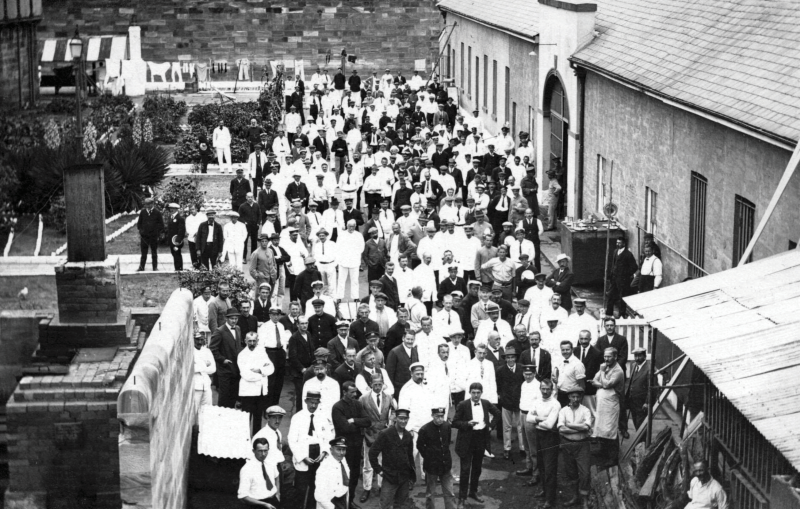
Most of the internees were merchant seamen, so boat building came naturally to them. They created all manner of watercraft, from kayaks and canoes to steam powered replicas of sailing boats. Their industrious national heritage saw them plant productive vegetable gardens, establish a theatre company and orchestra and various clubs to occupy the long years of captivity. All this activity led to the camp becoming something of a local tourist attraction.
After the internees left in 1919, the gaol fell silent once more until in 1922 it was leased to a returned soldier who opened it to visitors and conducted guided tours around the grim cells. In 1928, the NSW Government called tenders to demolish the building but it received a reprieve after a vigorous campaign to save it.
During World War II the gaol was briefly pressed into service again, not as a prison but as an army store for documents and records, but in July 1942, a fire broke out and the building was gutted. Giant masses of lead, iron, downpipe, roofing slates and burning joists rained down on the stone floor, leaving only the stone walls and part of the roof standing.
In 1944 the building was recommissioned as a prison and plans began to open it as a training centre for young offenders.
The interior was completely rebuilt using prison labour and in 1949 the facility was opened by the Governor of NSW, Sir John Northcott. The new centre accommodated 60 inmates who were offered training in a variety of crafts and other opportunities for education. The motto of the Prison Education Department, Let Time Serve You, is still emblazoned on the inside of the entrance gate.
In 2001, after 160 years as a men’s prison, it became a medium security women’s prison. It was closed in 2011, then operated as a minimum security prison from 2016 to 2020, first for men and then for women, before being permanently closed.
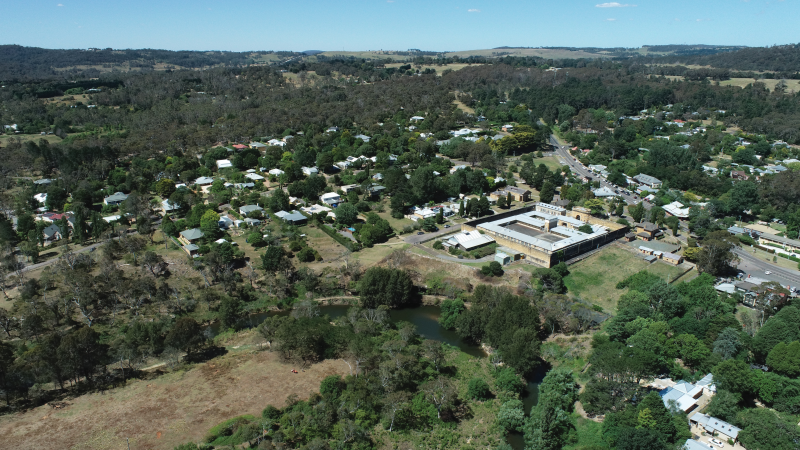
In 2022 the NSW Government sold the gaol complex, made up of the gaol itself, the 1890s Governor’s and Assistant Governor’s residences and land at the rear of the gaol sloping down to the Wingecarribee River. The successful tenderer, Blue Sox Group, has developed an ambitious plan for adaptive reuse of the building. Heritage Council of NSW guidelines suggest that “… heritage buildings need to be used to be appreciated and provide the greatest value to the community. Once a building’s function becomes redundant, adapting it to a new use provides for its future.”
The whole area is set to be reimagined as a tourist hub with indoor and outdoor restaurants, event, retail and gallery spaces, as well as the construction of a hotel at the rear, outside the original gaol walls. However, some heritage advocates, including the National Trust, have expressed major concerns about the plans. As an important heritage listed site, the project will be assessed for approval as a State Significant Development and as such will be subject to stringent conditions. If approved, construction is expected to start in 2027, with the precinct expected to open in 2028/2029.

Back Issue February / March 2026 2026 (PDF Download)
Relive the beauty of the Southern Highlands with this digital back issue of Highlife.
The house on the hill
The renovation of a 1960s weatherboard farmhouse on Werai’s Mount Broughton has turned it into a stunning entertainer’s house where its owners enjoy outstanding views from every room.
Room to bloom
On Oxley Hill, just minutes from the centre of Bowral, is an incredibly colourful and ever-changing sight: a four acre destination flower farm. We speak to Candice Burger, the owner of Oxley Hill Farm Flowers.
A sense of wonder
Flamingos at Versailles, a giraffe in a salon, and models in flamboyant gowns are all part of Alexia Sinclair’s photographic series exploring the 18th century’s fascination with the exotic.
The Italian connection
Chef Stephen Santucci tells how the influence of his Italian grandparents lives on in Robertson’s popular Moonacres Kitchen cafe and its restaurant nights, when it’s called Jimmy Nardello.
Lush life
It took Les and Elaine Musgrave six months to find the perfect property to create their sixth garden, a plant-packed paradise inspired by gardens in Sri Lanka.
Plan bee
Keeping bees and enjoying their honey have been a joy for Kirstine McKay’s family for a decade. She explains how they have adapted since the arrival of the dreaded Varroa mite.
Then & Now: Berrima Gaol
Two books related to Berrima Gaol’s history were published locally last year. With redevelopment plans for the historic building making news, we look back at its history.
New Zealand odyssey
Last winter, Bundanoon adventurer Huw Kingston traversed the length of New Zealand in a 4500 kilometre, three-month journey, including skiing at each of the country’s 24 ski fields.
This is a virtual product. Upon purchase, you’ll receive instant access to download the magazine as a PDF. A secure download link will also be sent directly to your email, so you can revisit and enjoy your issue anytime.