
via High Range, and on to Mittagong (55km)
August/September 2026
Words and Photographs Tony Sheffield
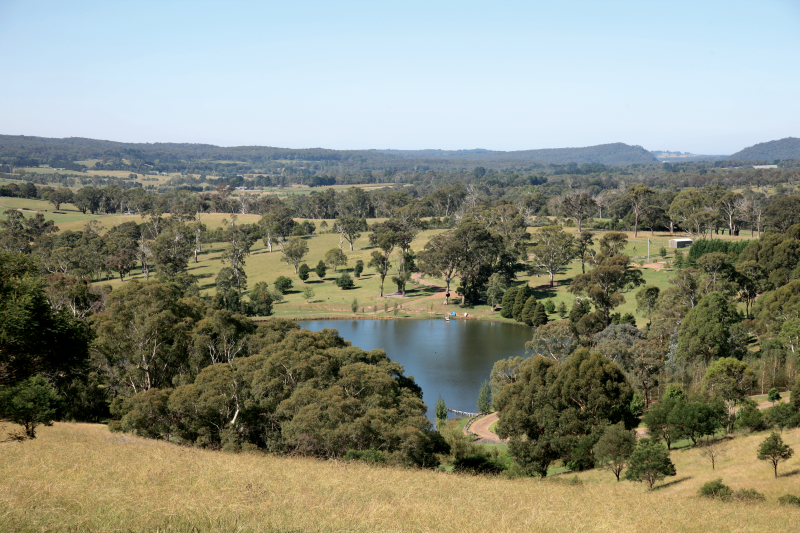
I’VE STARTED THIS DRIVE at the south-west entrance to Berrima, and while the drive itself will take about an hour, there’s so much to see in this historic village that it may be some time before you’re actually out on a country road.
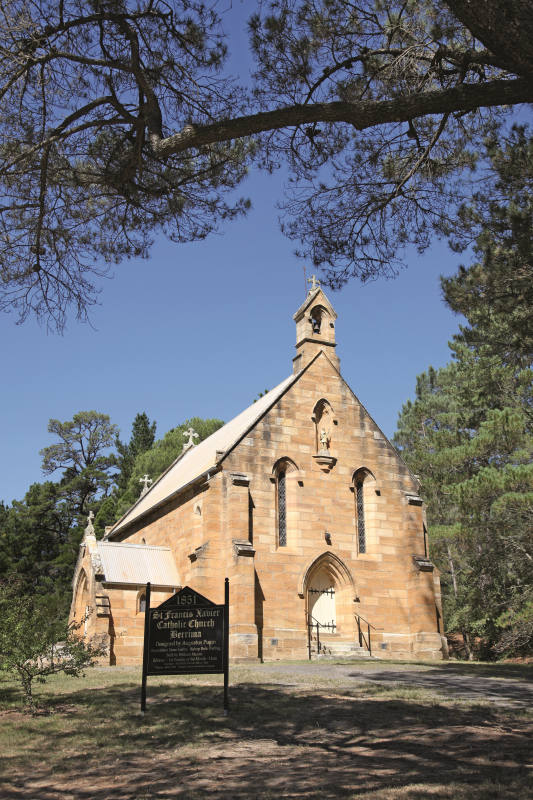
The sign marking the village entrance is near St Francis Xavier Catholic Church, which celebrates its 175th anniversary this year and was designed by renowned architect Augustus Pugin. Best known for his pioneering role in the Gothic Revival style, Pugin worked on the interior of London’s Houses of Parliament and its clock tower, which houses the famous bell, Big Ben.
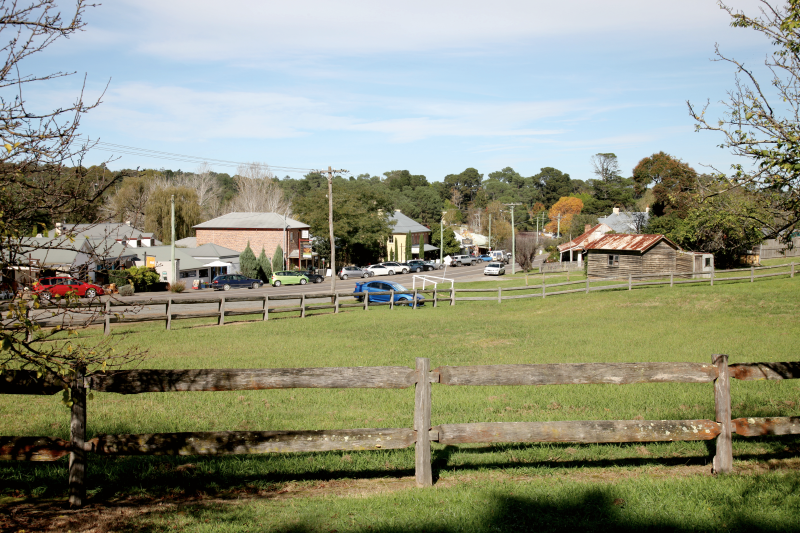
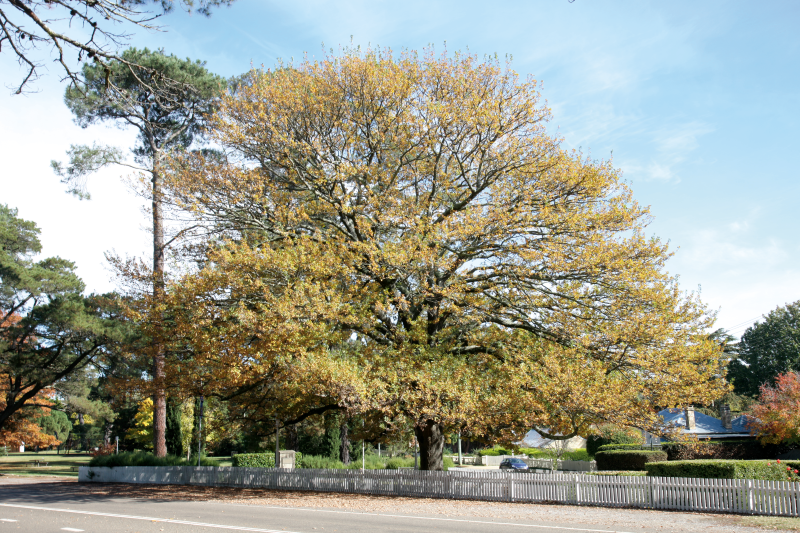
From here, cross the sandstone bridge over the Wingecarribee River and drive into the village. The park on the left, known as Market Place, is perfect for a picnic and has a children’s playground, a boules court and toilets. Notice the memorial English oak tree behind a low picket fence; this was planted in 1890 by Sir Henry Parkes (1815-1896), then Premier of NSW.
Jellore Street is home to many period cottages and houses, and the Berrima Museum is on the southern side of the park.
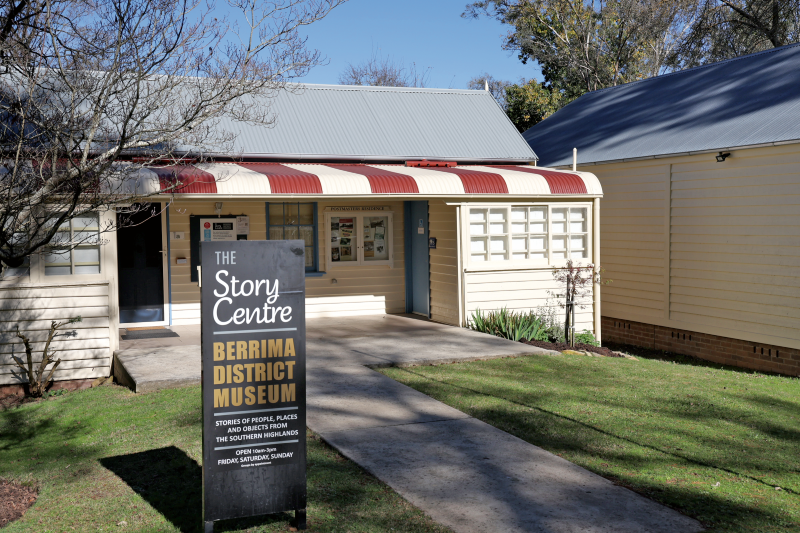
Berrima was founded in 1831, after Major Thomas Mitchell, the surveyor-general, decided the area’s natural beauty should make it the capital of the County of Camden as opposed to the flood-prone government township of Bong Bong (beside the Wingecarribee River in Burradoo). By 1840, Berrima had a courthouse and gaol and the township became very prosperous through to the early 1860s, when plans for the new southern railway raised more hope. In 1867, however, the railway construction bypassed Berrima and all new settlement focused around Bowral and Mittagong.
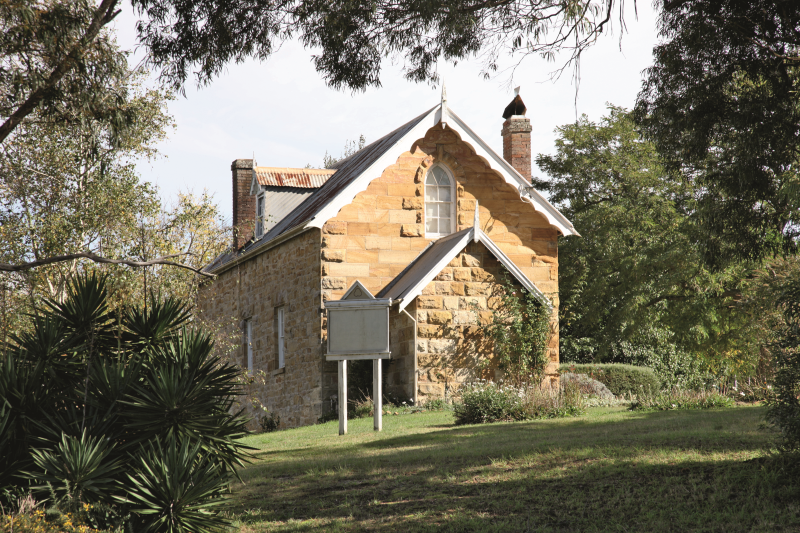
By 1900 Berrima was in steep decline and in 1909 the gaol was closed – it reopened as an internment camp for German prisoners during World War I. There was no further development in the village for close to 100 years. Thankfully, this was a gift to us today and the village has a reputation as the best preserved Georgian village on mainland Australia.
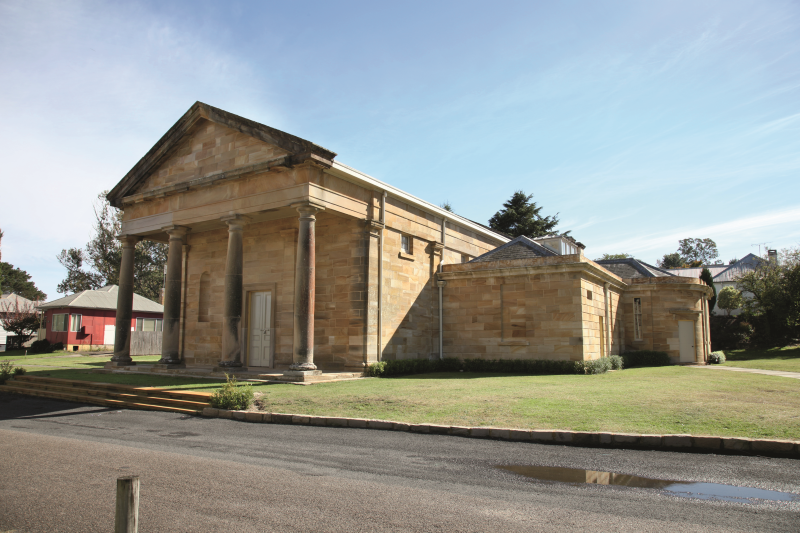
Along the main street you can see the Surveyor General Inn (Australia’s oldest continuously licensed inn) and Berrima Gaol, and visit the Berrima Courthouse Museum (open seven days) and the National Trust’s Harper’s Mansion and its maze (weekends). For tasty treats, there’s The Cupcake Co., The Lolly Swagman sweet shop, Mrs Oldbuck’s Pantry for jams and conserves, and Gumnut Patisserie for coffee and cakes.
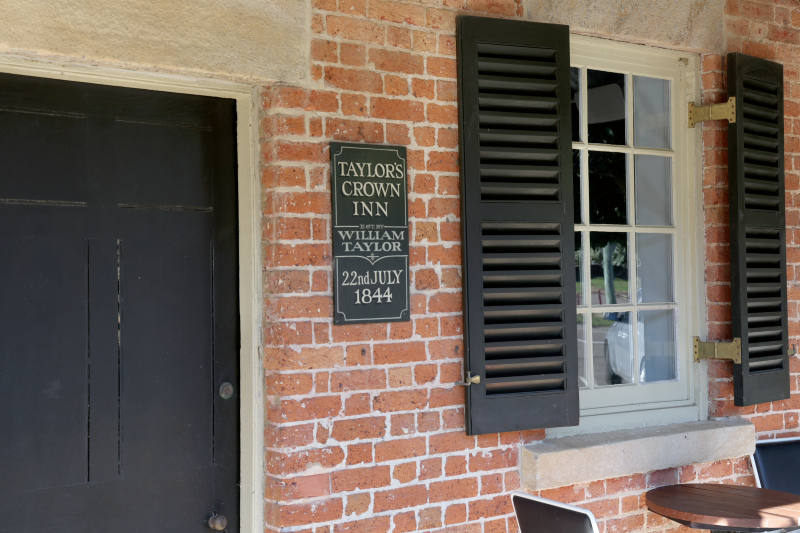
There are also many cafes and restaurants, including Eschalot Restaurant, Josh’s Cafe and PepperGreen Estate, which also has a cellar door.
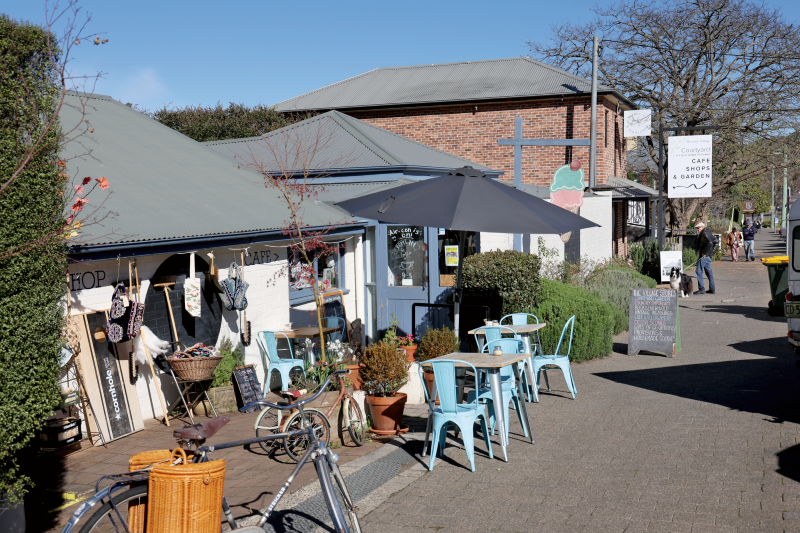
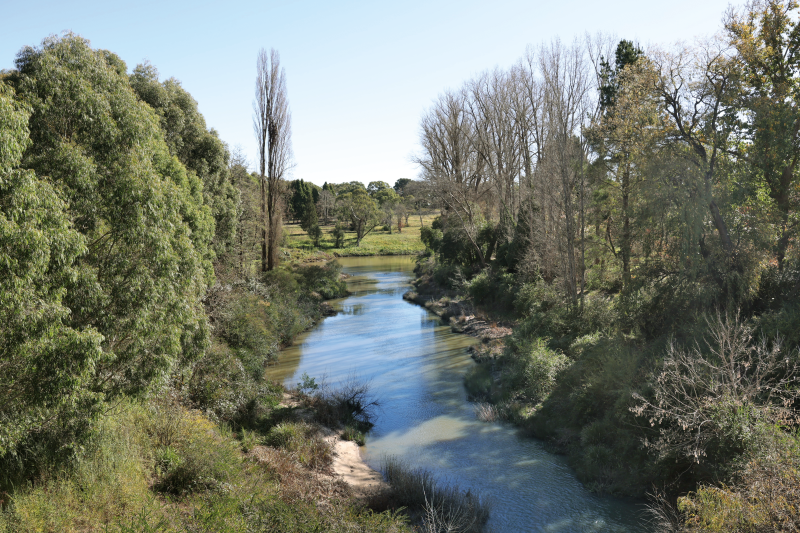
If you feel like a longer walk, turn left off the Old Hume Highway just before Harper’s Mansion into Oxley Street. This will take you to Berrima Reserve and historic river walk. The full walk is 1.8km and takes about an hour to return.
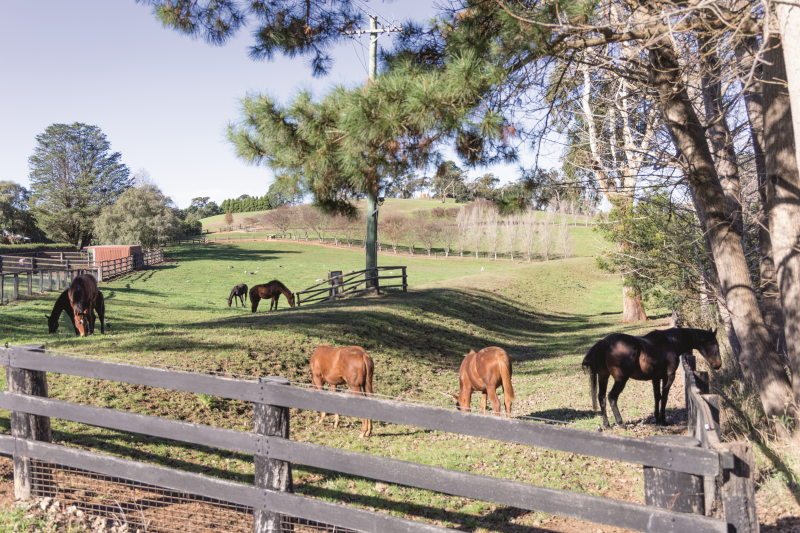
Leave Berrima heading north-east on the Old Hume Highway and soon turn left into Greenhills Road. This picturesque road climbs to reveal a spectacular view on the right towards Mount Jellore, across paddocks usually full of alpaca (belonging to Storybook Alpacas) on the Coolaroo property. Continue at the intersection with Joadja Road and shortly after, turn left to join Wombeyan Caves Road, where Berrima soon becomes High Range. You will see many farm animals along this stretch, including more alpaca, beef cattle, sheep and horses, as well as period farmhouses and new manor-style homes.
Two kilometres after passing Black Spring Road on the right, you’ll pass the 1891 sandstone St Thomas’ Church and graveyard on the left. As you continue along Wombeyan Caves Road, you will enter Bullio and soon the land will look more arid.
As the road winds through gum trees it becomes narrow and unpredictable so take care. Be mindful of wildlife on the road.
Ten kilometres on from St Thomas’ Church you’ll reach the 22 metre hand-cut Bullio Tunnel. It was completed in 1899,
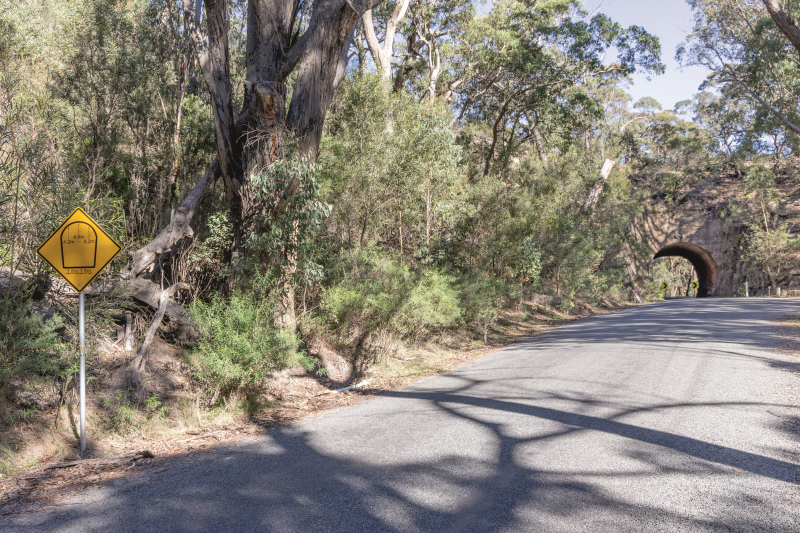
linking the road from the Southern Highlands to Wombeyan Caves (read more about the tunnel on page 98). Make sure to sound your horn as you drive through the tunnel as there is a blind bend at the other end. Another 1.5km along, on the right, you will come to the magnificent Wollondilly Lookout. From here, take in mountain, lake and eucalypt forest views across Nattai National Park. You may spot eastern grey kangaroos, wallaroos, brush-tailed rock wallabies, koalas and many bird species. It’s a dramatic end to this section of the drive.
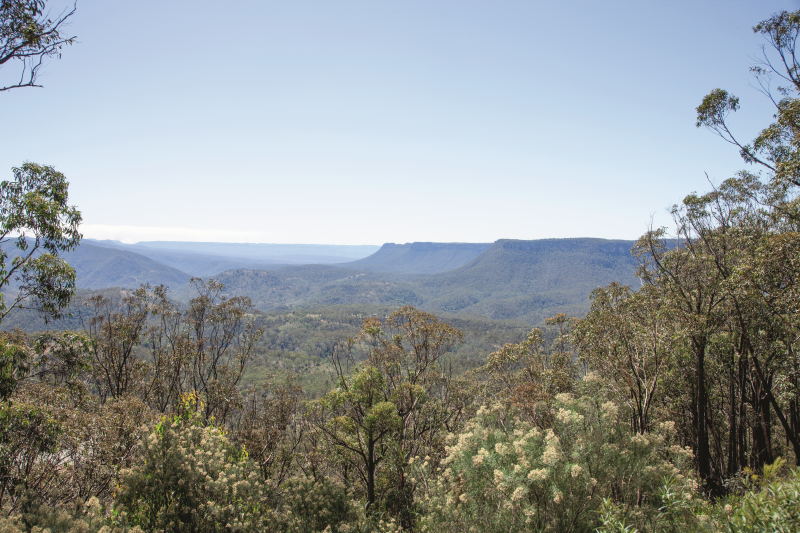
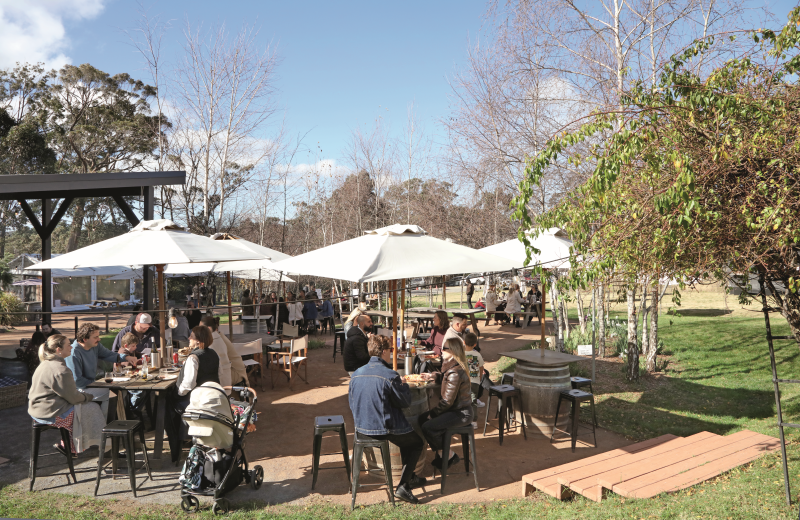
Turn the car around and head back toward Mittagong along Wombeyan Caves Road. After crossing Nattai Creek, you will meet the Old Hume Highway at a T intersection. Turn left here and after a short distance turn right into Sir Charles Moses Lane, which will take you to award-winning Artemis Wines, which in 1996 was the third winery to be established in the Highlands and the first to grow pinot noir. It has an excellent cellar door where you can taste their wines and spirits, and they offer wood-fired pizzas on the weekends (bookings advised) – a perfect end to the drive.

A Highlife subscription keeps you informed, inspired and connected to the people, places and stories of the Southern Highlands.
Have Highlife delivered to your door — or order a gift subscription for a friend.
Ordering for overseas? If your order is for outside Australia, please contact us before placing an order to obtain a shipping quote.