Apr/May 2018
JAMES COCKINGTON
Photographs Tony Sheffield
WHEN IT WAS NEW | Price: £1,023 | Engine: 2150cc, six cylinder | 0 to 50mph: 15 seconds | Top speed: 80mph (130km/h)
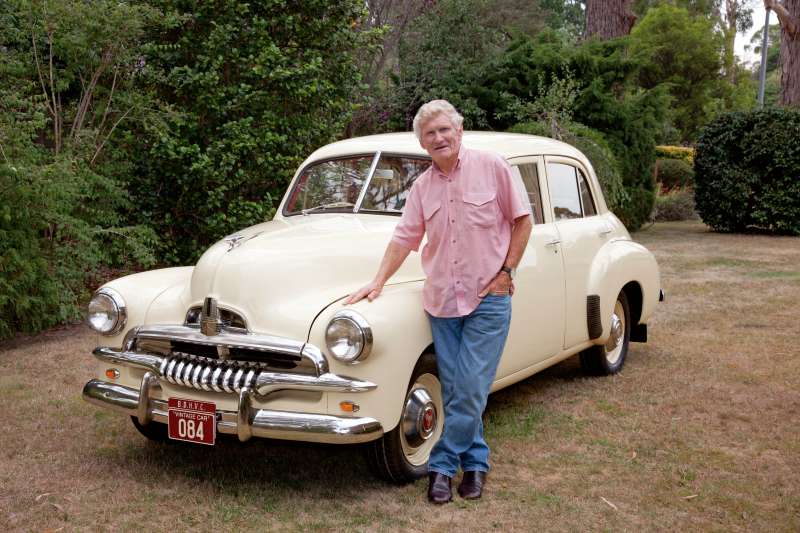
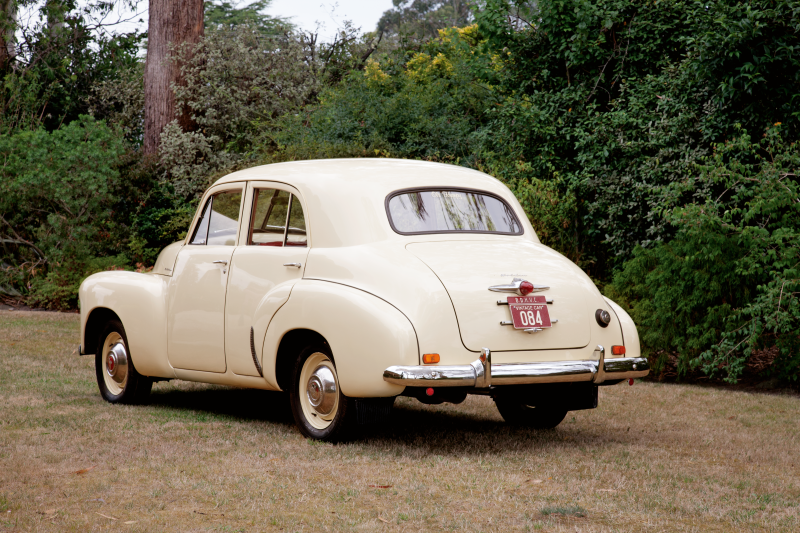
JOHN GLENNON, a retired milk inspector from Bowral, picked up this wonderful 1954 FJ Holden in Tamworth after seeing it advertised in a car magazine. He’d wanted one since he’d watched them race as a boy at long-gone tracks at Warwick Farm, and Catalina Park at Katoomba.
“I think that had a lasting effect on me,” he says. “I find I’m a much happier person driving an older car.” He positively buzzes with joy when he shows me around his favourite Holden. When he found it, it was in close to original condition. He’s given it a minor mechanical refurbishment, and treated it to a fresh coat of paint. Appropriately for a milko, the new colour is called Gawler Cream. This was one of the 12 original factory colours.
Apart from that he’ll leave it as is. “It’s a time capsule,” he says.
He’s been told by purists that the wrong rear bumper was fitted at some stage but he is happy with that minor inaccuracy.
“I always tell people it’s only 99 per cent original,” he laughs.
Asked why these cars resonate with him, he says: “It’s because they’re Australian, definitely. You could burst out crying when you see what has happened to the local industry… there’s not a lot around these days that is Australian made.”
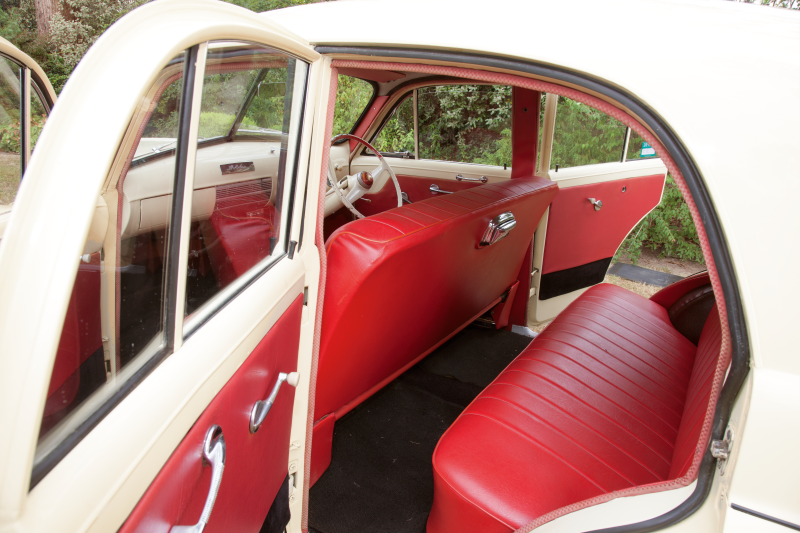
These cars certainly resonate with me. Growing up in suburban Adelaide this was also the first Holden my dad owned. Ours was also cream, with the distinctive red vinyl seats which seemed like a luxury lounge at the time. There was room for three or four kids in the back. This was also the first car I drove, at age 10, on the smooth hard sands of Sellicks Beach. The public were allowed to drive on the beach. Nobody else was around the day I took the FJ for a slow-speed spin.
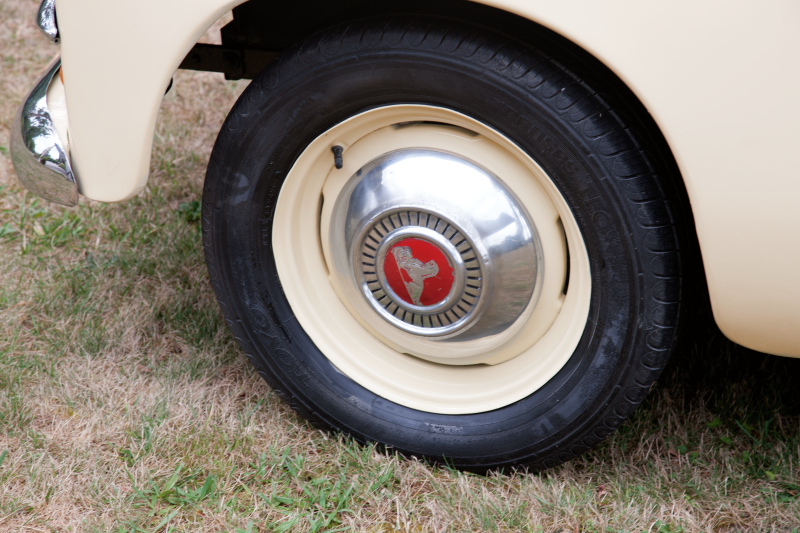
This model Holden has a similar body shape to the original 48-215 (FX) but with some slight cosmetic differences, like a more decorative grille and different hubcaps and bumper bars. Because of these improvements it was promoted with the slogan, “more for your money”.
More than 169,000 FJs were built from 1953 to 1956, establishing it as Australia’s most popular car. They had excellent ground clearance and a rugged chassis and suspension at a time when many roads still had a dirt surface.
John Glennon’s version is the basic Standard model. The Special model had flashy two-tone paintwork and an inbuilt cigarette lighter. This was an important selling point at a time when just about everybody smoked. Even the Standard model has an ashtray for backseat passengers.
These cars were only available as a three-speed manual, with the gear shifter mounted on the steering wheel column. These were known as a ‘three on a tree’ and changing gears was an art form, requiring great skill to shift into first gear while in motion.
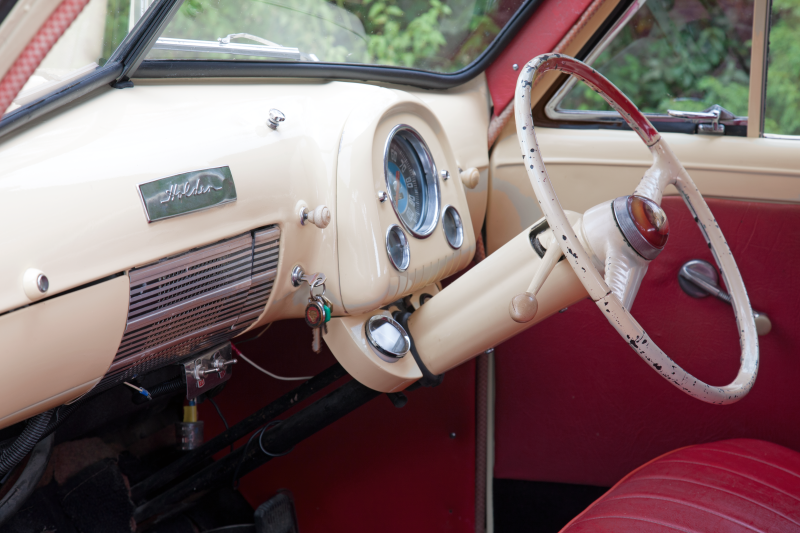
The speedo is calibrated to a 100mph (160km/h) maximum but only the brave would have achieved that limit, probably downhill with a tail wind. John Glennon sticks to a comfortable 60mph (95km/h). “That’s pretty quick for me.”
The first two model Holdens – known as Humpies because of their body shape – have been very collectable cars since the mid-1970s. You could pick them up for $100 or so back then, when spare parts were still relatively common. Today, finding one in decent, original condition is in the hen’s teeth category. John is a very lucky man.
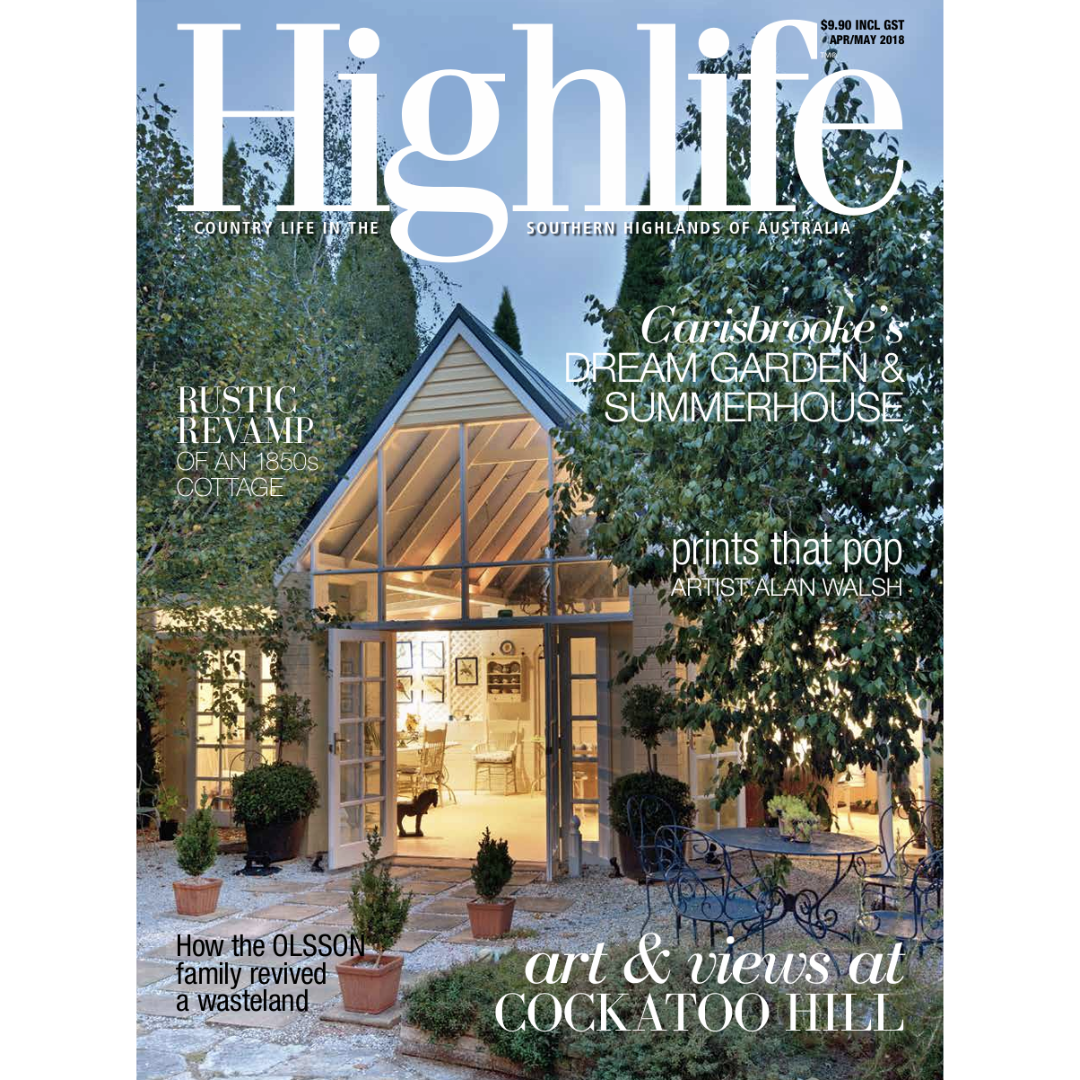
Back Issue April / May 2018 (PDF Download)
Relive the beauty of the Southern Highlands with this digital back issue of Highlife magazine.
The art house: Stewart and Gwen Wallis show us Cockatoo Hill, a large modern house outside Berrima with incredible views and an extraordinary art collection.
A rustic restoration: Three years ago Berrima residents Michael Verberkt and Stewart Bunn realised they had a neglected treasure on their land, a little circa 1850 slab cottage.
Fashion, fast cars and the power of print: Yorkshire-born artist Alan Walsh spent much of his childhood at Formula One events, fascinated by the glamour of the track. Today, his passion feeds his vibrant retro prints.
Autumn makes an entrance: The Highlands is known for its spectacular autumns, and last year we found some beautiful driveways to photograph.
Land of opportunity: In 1996, salt company managing director Charles Olsson bought 138 hectares that had been home to the region’s former abattoir. Today, the property has been turned around.
A garden to live in: The owner of Carisbrooke, in Bowral, explains how she and her husband created a low maintenance garden on a two-acre town block.
Holden on to history: Holdens were part of daily life for Australian families for decades, and today many are treasured as classic cars. We feature five, including one in our Classic Car column.
Photographic memories: Bowral couple Bob and Irene Goard tell how they acquired one of the most significant collections of vintage cameras and photographic equipment in the country.
View to a viaduct: The railway line between Picton and Goulburn passes over four historic viaducts. All were built to keep trains out of river beds but they also have considerable architectural beauty.
This is a virtual product. Upon purchase, you’ll receive instant access to download the magazine as a PDF. A secure download link will also be sent directly to your email, so you can revisit and enjoy your issue anytime.